
MOLD ENGINEERING / MOLD DESIGN
Build the tool around the part—not around a generic mold template.
Mold design turns a part design, material and production plan into a tool structure that can be machined, assembled, maintained and validated.
QUICK ANSWER
ABERY reviews mold-design requirements including parting line, cavity count, runner strategy, cooling, ejection, slides, lifters, inserts, steel selection, surface finish and measurement access. Final design decisions depend on the exact part, resin, annual volume and quality requirements.
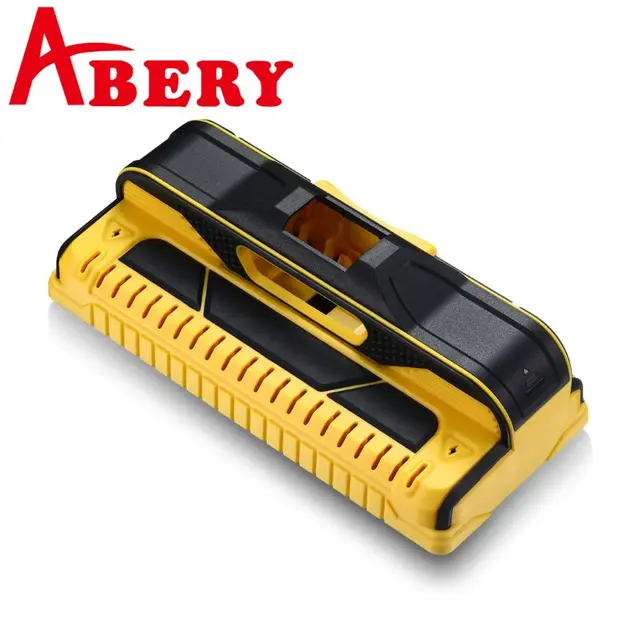
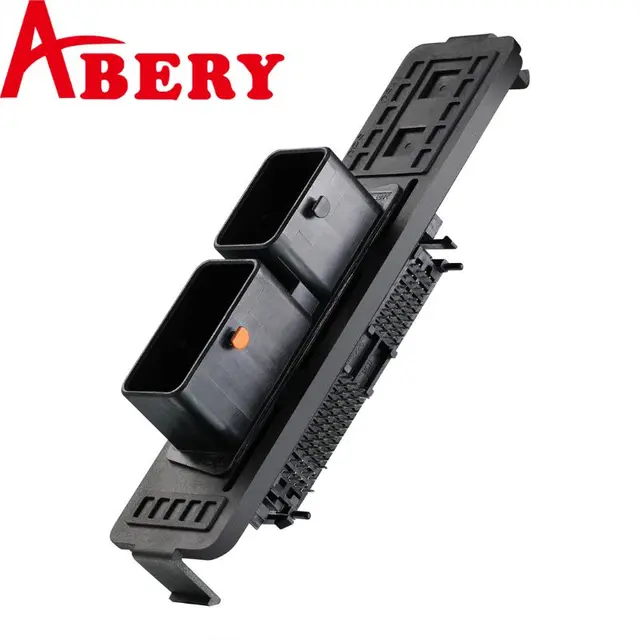
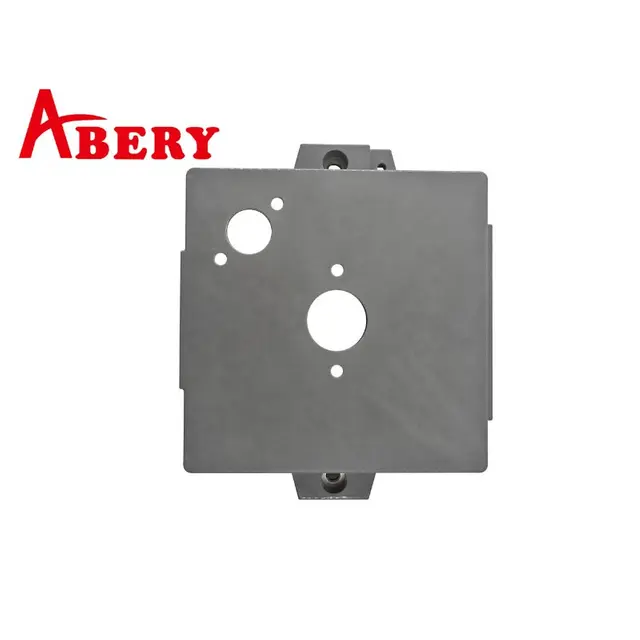
What the design review has to settle.
| Parting & undercuts | Parting line, slider or lifter strategy, cosmetic impact and maintenance access |
|---|---|
| Runner strategy | Cold or hot runner direction, gate type and location, balance and material constraints |
| Cooling | Circuit layout, inserts, baffles or bubblers, and the part features that need thermal control |
| Ejection | Ejector layout, lifters, sleeve ejection, return logic and part-distortion risk |
| Steel & components | Steel, hardness, wear and corrosion considerations, inserts and replaceable components |
| Validation access | Measurement points, datum strategy, assembly conditions and service access |
What we do not assume
- That a part can release without a defined draft or side-action review.
- That a hot runner is always better than a cold runner.
- That a higher steel hardness is always the correct answer.
- That a visually acceptable sample proves the tool can repeat.
PROJECT INTAKE / DFM REVIEW
Review the mold concept before the steel decision.
Send the part, resin, volume and any undercut, appearance or assembly constraint. We will identify the mold-design decisions that need confirmation.
Tell us where the project is now.
Send the files you have. Missing information can be confirmed during review.
Business inquiries only. For large CAD files, include a secure Google Drive, Dropbox, OneDrive or WeTransfer link, or email tonney@a-mold.com after submitting.