
INDUSTRY / CONSUMER ELECTRONICS
When the part is visible, tolerance is only part of the requirement.
ABERY supports selected electronics housings and components with DFM, thin-wall molding, overmolding, color and appearance control, and dimensional inspection.
QUICK ANSWER
ABERY reviews consumer-electronics injection molding projects for suitable resins, wall thickness, gate and weld-line risk, Class A appearance, color consistency and assembly features. Final visual acceptance is based on approved samples and an agreed standard.

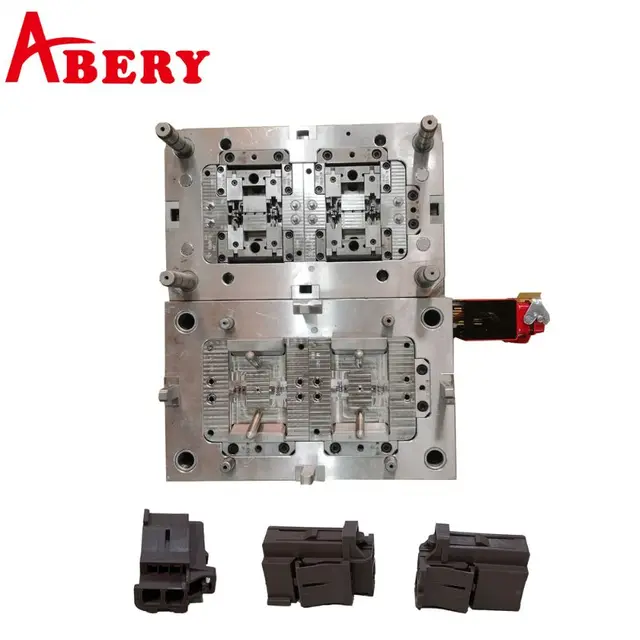
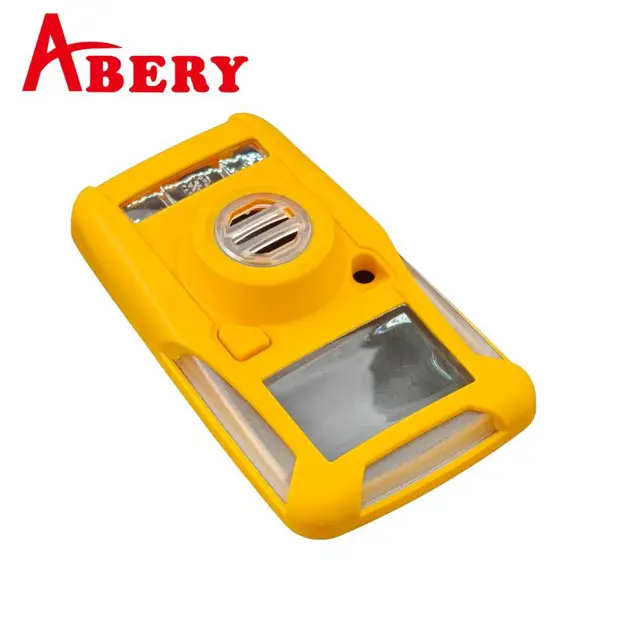
Electronics molding risks to define before T1.
- Nominal and local wall thickness, flow length and pressure requirements.
- Gate location, weld-line visibility and cosmetic acceptance.
- Color master, gloss, texture, illuminant and measurement method.
- Snap fits, bosses, screw bosses and assembly tolerances.
- Overmolding interfaces, substrate cleanliness and material compatibility.
- Packaging and handling protection for appearance-critical parts.
Class A is a specification, not a slogan.
SPI polishing or texture preparation does not by itself eliminate sink, weld, flow, gate, gloss, contamination or handling defects. The visual standard must identify the conditions and sample used for acceptance.
PROJECT INTAKE / DFM REVIEW
Send the housing, drawing and appearance standard.
We will review the geometry, material, tooling and inspection requirements before quotation.
Tell us where the project is now.
Send the files you have. Missing information can be confirmed during review.
Business inquiries only. For large CAD files, include a secure Google Drive, Dropbox, OneDrive or WeTransfer link, or email tonney@a-mold.com after submitting.